Adult ADHD Program
comprehensive evaluation and integrated care
for attention and executive functioning
Adult ADHD often goes unrecognized, misunderstood, or inadequately treated. Our comprehensive program combines expert evaluation, evidence-based psychotherapy, precision medication management, and digital support through our ArziFlow app to help you unlock your potential.
Comprehensive Evaluation
Diagnosis begins with more than forms and criteria. We take the time to trace your developmental history from childhood through adulthood, identifying both protective and risk factors. For some, a strict or supportive household masked symptoms; for others, a chaotic environment magnified them.
We pay special attention to transitional moments—puberty, exploring sexuality, moving out of the family home, entering college or the workforce, or managing new adult responsibilities—where untreated ADHD often becomes most impairing. Missing a diagnosis at these junctures can lead to cycles of burnout, repeated academic or professional setbacks, and self-esteem that corrodes under false labels like "lazy" or "unreliable."
Our evaluation does not stop at ADHD. A thorough medical and psychiatric assessment ensures that contributing conditions such as sleep disorders, thyroid imbalance, head injury, depression, or anxiety are identified and addressed.
Tools & Resources
WHO Adult ADHD Self-Report Scale (ASRS v1.1) — self-administered screener, free and public domain
Wender Utah Rating Scale (WURS) — retrospective childhood assessment (administered in clinic)
Brown ADD Scale (BADDS) — self-report measure of executive functioning (administered in clinic)
Adult ADHD Investigator Symptom Rating Scale (AISRS) — clinician-administered interview
Milestone
Patients leave this stage with more than a label—they gain a nuanced understanding of how ADHD has shaped their life story, and clarity on other medical or psychiatric factors that may also be contributing.
Psychoeducation & Diagnostic Formulation
ADHD comes into focus when patients see their own story reflected back. In this phase, we dedicate multiple sessions to exploring how patterns of procrastination, missed deadlines, "functioning only under pressure," or repeated burnout have influenced their path.
This process often leads to profound recognition—cycles that once felt like character flaws are reframed as understandable features of untreated ADHD. For many, this is the first time their struggles are validated in a way that makes sense.
We also clarify the role of medication. Stimulants are never used as a diagnostic test. Instead, once ADHD is established with confidence, pharmacotherapy may be introduced as a tool to expand focus—not as an end in itself, but to help patients fully engage with the dense psychoeducation and therapeutic work that follows.
Tools & Resources
Driven to Distraction & Delivered from Distraction — Edward Hallowell, MD
Healing ADD — Daniel Amen, MD
Additude Magazine (additudemag.com) — practical strategies and education for children, teens, adults, and families
Milestone
Patients leave this phase with a validated understanding of how ADHD has shaped their trajectory and with an informed perspective on how treatment—medication, therapy, and skills—may support them moving forward.
Supporting Resources
Edward Hallowell, MD
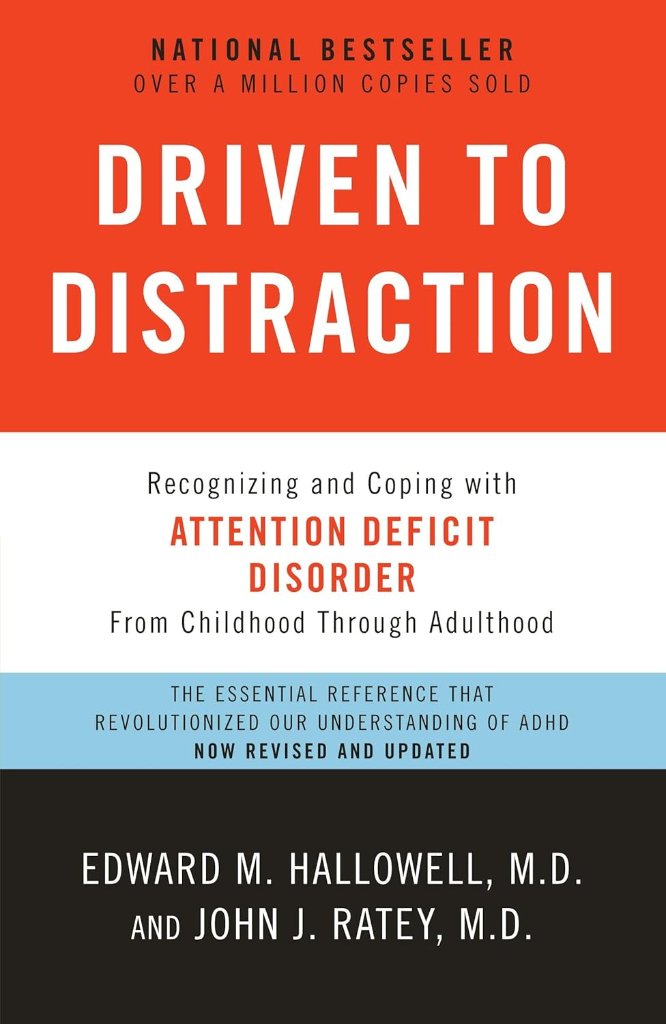
Driven to Distraction & Delivered from Distraction
Seminal works that bring ADHD to life through stories and clinical insight. Many adults describe these books as the first time they felt recognized, reframing years of frustration as understandable features of ADHD—and as strengths when guided properly.
Daniel Amen, MD
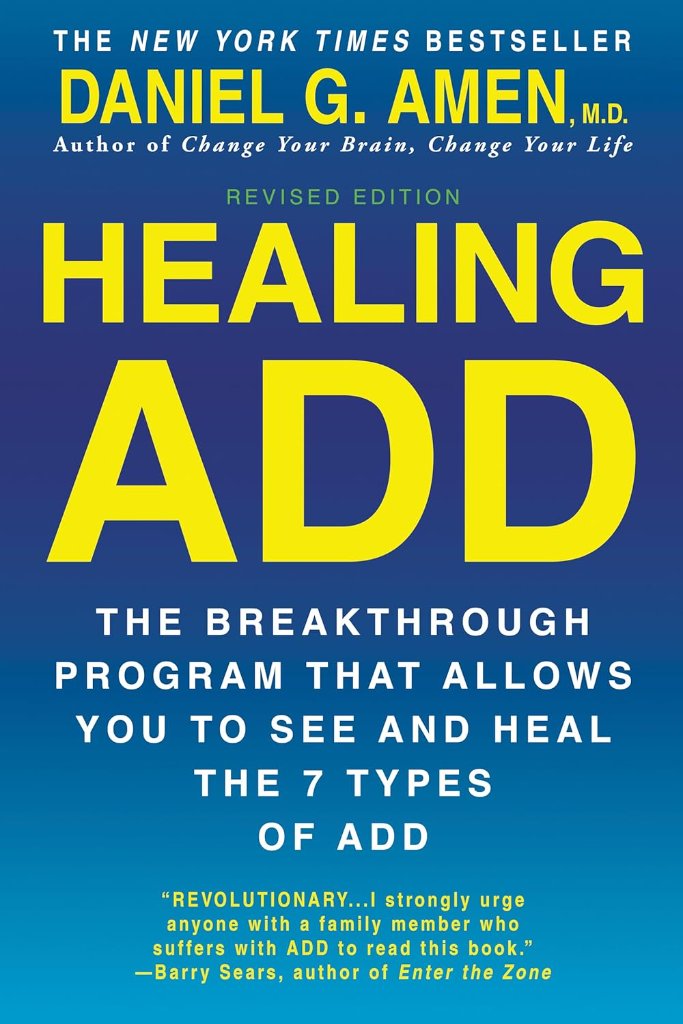
Healing ADD
A widely read guide that presents ADHD through the lens of brain health. It introduces distinct ADHD patterns and emphasizes how lifestyle, environment, and treatment can be tailored to each individual.
Additude Magazine
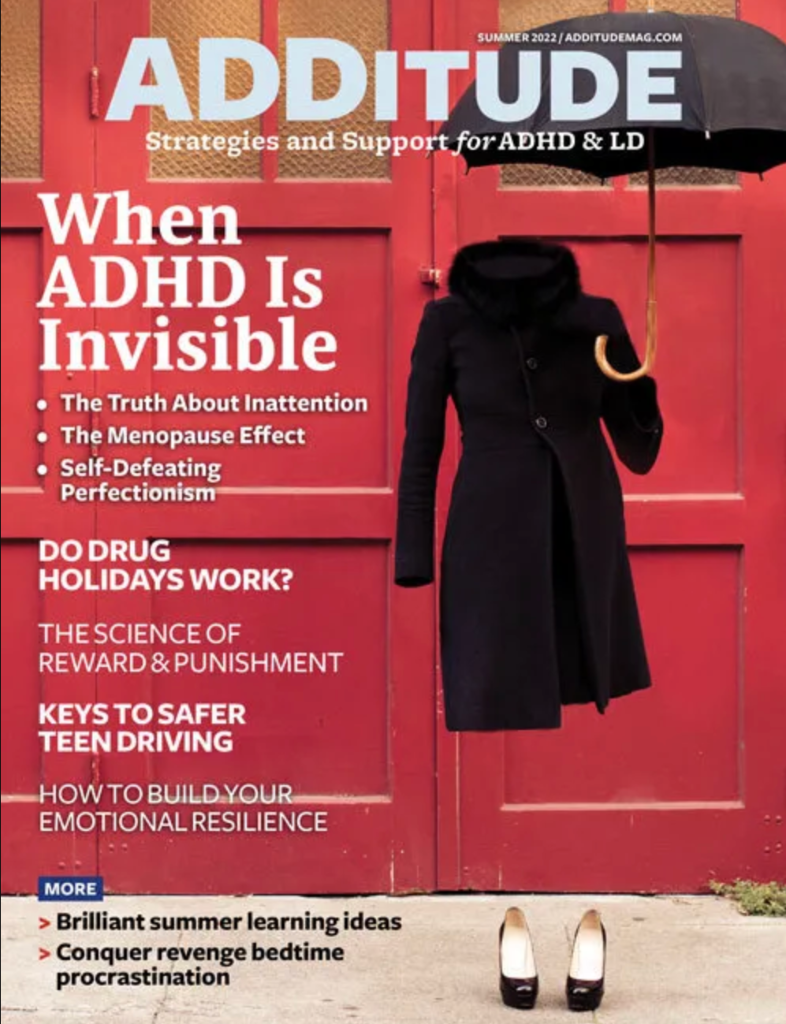
Additude.com
A leading resource on ADHD and related conditions across the lifespan. It combines expert guidance with practical strategies and real-life stories, supporting children, teens, adults, and families alike.
Jeffrey Young, PhD & Janet Klosko, PhD
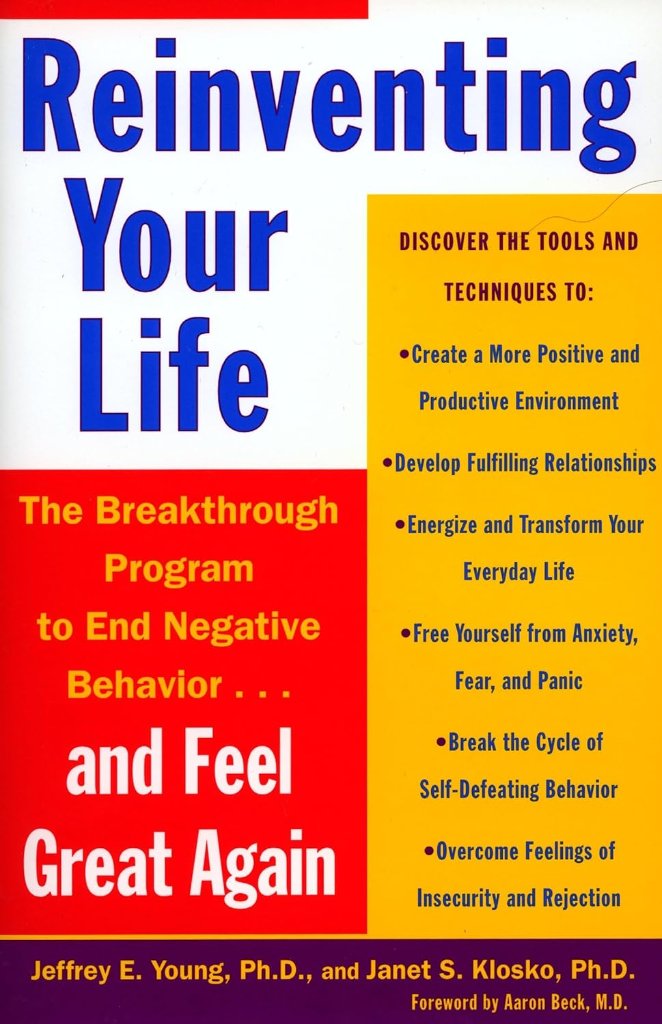
Reinventing Your Life
The most accessible introduction to schema therapy for the public. This book explains how longstanding patterns—such as perfectionism, people-pleasing, or fear of failure—take shape, and offers practical steps for change.
Schema Therapy Resources
For further exploration, we recommend the International Society of Schema Therapy (ISST) and the Schema Therapy Institute. These organizations introduce the 18 core schemas and modes, offering accessible materials for patients and professionals alike.
Within our program, validated instruments such as the Young Schema Questionnaire (YSQ) and Schema Mode Inventory (SMI) are administered and interpreted by your clinician. The results are integrated into a personalized schema report that guides your treatment plan.
Supporting Resources
Edward Hallowell, MD
Driven to Distraction & Delivered from Distraction
Seminal works that bring ADHD to life through stories and clinical insight. Many adults describe these books as the first time they felt recognized, reframing years of frustration as understandable features of ADHD—and as strengths when guided properly.
Daniel Amen, MD
Healing ADD
A widely read guide that presents ADHD through the lens of brain health. It introduces distinct ADHD patterns and emphasizes how lifestyle, environment, and treatment can be tailored to each individual.
Additude Magazine
Additude.com
A leading resource on ADHD and related conditions across the lifespan. It combines expert guidance with practical strategies and real-life stories, supporting children, teens, adults, and families alike.
Jeffrey Young, PhD & Janet Klosko, PhD
Reinventing Your Life
The most accessible introduction to schema therapy for the public. This book explains how longstanding patterns—such as perfectionism, people-pleasing, or fear of failure—take shape, and offers practical steps for change.
Schema Therapy Resources
For further exploration, we recommend the International Society of Schema Therapy (ISST) and the Schema Therapy Institute. These organizations introduce the 18 core schemas and modes, offering accessible materials for patients and professionals alike.
Within our program, validated instruments such as the Young Schema Questionnaire (YSQ) and Schema Mode Inventory (SMI) are administered and interpreted by your clinician. The results are integrated into a personalized schema report that guides your treatment plan.
Initiation of Treatment
Once diagnosis is established, treatment is tailored to maximize function. For patients who benefit, stimulant and non-stimulant medications are introduced through careful titration, with close follow-up to balance efficacy and tolerability.
At the same time, we emphasize foundational interventions: restorative sleep, balanced nutrition, physical activity, and stress management. Early behavioral coaching begins here—simple organizational strategies and environmental modifications that provide immediate relief from daily friction.
Tools & Resources
Structured titration and monitoring protocols
Lifestyle and wellness planning templates
Early coaching materials for organization and focus
Milestone
Patients begin to experience measurable improvement in attention and daily functioning, creating the capacity for deeper therapeutic work.
Integrated Therapeutic Components (Months 3–12)
Once stabilization is achieved, treatment evolves into three interwoven dimensions. These are not sequential steps, but concurrent pillars that reinforce one another:
Schema Therapy
Most adults with ADHD have lived for years without diagnosis, leaving behind entrenched patterns of self-criticism, avoidance, or perfectionism. Using validated schema questionnaires, we create a personalized schema report that links these patterns to life history. Therapy then focuses on recognizing maladaptive modes, reshaping core beliefs, and building corrective emotional experiences.
Executive Function Training
Insight must be paired with skills. Through CBT-based interventions and structured coaching, we address procrastination, disorganization, and time blindness. Patients learn strategies such as time-blocking, external reminders, body doubling, and digital tools, applied directly to academic, occupational, and relational contexts.
Existential Integration
The ultimate aim is not only to function better, but to live with coherence and meaning. Together we define long-term life goals—career, relationships, creative pursuits—and ensure that treatment gains are aligned with core values. This integration helps patients move from symptom reduction to building a resilient, purposeful life.
Tools & Resources
Young Schema Questionnaire (YSQ) — administered in program; personalized report prepared by provider
Reinventing Your Life — Jeffrey Young, PhD & Janet Klosko, PhD
International Society of Schema Therapy (schematherapysociety.org)
Schema Therapy Institute (schematherapy.com)
Digital tools for planning, reminders, and executive function support
Milestone
Patients build resilience across all three domains—healing schemas, mastering executive function, and aligning treatment with their larger life vision.
Program at a Glance
Duration: Typically 12 months, individualized for each patient.
Core Elements: Comprehensive evaluation, psychoeducation, pharmacotherapy, schema therapy, executive function training, existential integration.
Signature Feature: Personalized schema analysis that integrates developmental history, lived experience, and executive functioning into a unified treatment plan.